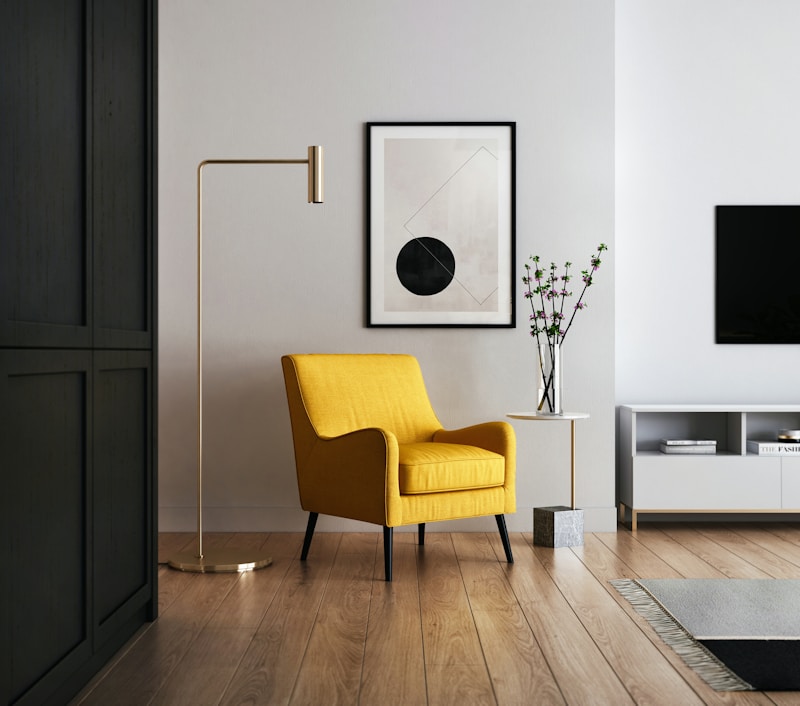
Why Textured Fabrics Are a Smart Choice for Busy Homes
Life in a UK home is rarely pristine. Between muddy paws, coffee spills, and the daily shuffle of family life, smooth, flat-weave fabrics quickly show every mark and scuff. That’s where textured fabrics come into their own. Their raised surfaces, intricate weaves, and varied pile heights scatter light and break up visual continuity, making spills, stains, and general wear far less obvious. Whether you’re upholstering a sofa, dining chairs, or a headboard, choosing a textured fabric can add years of visual life to your furniture.
How Texture Conceals Wear and Tear
Flat fabrics like smooth cotton or silk act like a mirror for damage: a single thread pull or oil mark stands out immediately. Textured fabrics, by contrast, have a three-dimensional surface that disrupts the eye’s ability to spot imperfections. A bouclé’s looped yarns, a chenille’s velvety ridges, or a tweed’s flecked weave all create subtle shadows and highlights. These variations camouflage everything from pet scratches to faded patches. Additionally, many textured fabrics are woven tighter or use thicker yarns, which physically resist abrasion better than delicate flat weaves.
Top Textured Fabrics for Hiding Wear
Not all textures are created equal. Here are the most effective options for UK homes, tested by upholsterers and interior designers:
- Bouclé: Looped, nubby surface that hides stains and snags. Great for statement chairs and sofas.
- Chenille: Soft, velvety texture with a directional pile. Excellent at disguising crumbs and light marks.
- Tweed: Wool or wool-blend with a flecked, multi-colour weave. Naturally dirt-resistant and very hardwearing.
- Corduroy: Ribbed texture that masks scratches and spills. Choose wide-wale for maximum concealment.
- Velvet (textured or crushed): Unlike smooth velvet, crushed velvet’s irregular pile hides fingerprints and pressure marks.
- Linen blends with slub: The natural irregularities in slub linen break up stains and wear patterns.
For high-traffic areas like family lounges or rental properties, tweed and chenille are particularly reliable. For a touch of luxury that still performs, bouclé is a firm favourite.
Practical Tips for Choosing and Maintaining Textured Upholstery
Even the best fabric needs a little care. When selecting a textured fabric, check the Martindale rub count—for domestic upholstery, aim for at least 20,000 cycles; for commercial or heavy domestic use, 30,000+ is better. Also consider the fibre: wool and polyester blends resist pilling and fading, while viscose (often used in velvet) can show wear faster. Rotate cushions regularly to distribute wear evenly. Vacuum with a soft brush attachment weekly to lift dust from the texture. Blot spills immediately with a clean cloth—don’t rub, as that can distort the weave. For deeper cleaning, always follow the manufacturer’s code; many textured fabrics are dry-clean only, but some can be gently shampooed.
Where Texture Works Best in the Home
Textured fabrics aren’t just practical—they add warmth and depth to a room. Use them on the main sofa in a busy living room, on dining chairs that see daily use, or on a footstool that doubles as a coffee table. In hallways and boot rooms, a tight-weave tweed or corduroy bench will shrug off wet coats and shoes. For bedrooms, a textured headboard in chenille or bouclé hides hair oil and pillow friction marks. Even in rentals, a textured throw or slipcover can instantly refresh a tired armchair without revealing every previous tenant’s mishap.
Common Mistakes to Avoid
One mistake is choosing a texture that’s too loose or looped in a home with cats—loops can snag. Another is ignoring the backing: some textured fabrics have a stiff backing that can crack over time. Always order a sample and rub it against a rough surface to test durability. Finally, don’t assume all textures are equal; a cheap polyester bouclé may pill within months, while a wool-blend tweed will age gracefully. Investing in quality pays off.
Final Thoughts
Textured fabrics are the unsung heroes of practical interior design. They hide the evidence of everyday life while adding tactile interest and cosiness. Whether you’re reupholstering a beloved armchair or specifying fabric for a rental property, choosing a textured weave is a smart, long-term decision. For professional upholstery services and fabric advice across the UK, explore the range at casino hadesbet—they can help you match the right texture to your home’s needs.